Education Research

Research Methods &
Regression

Tools for exploring multilevel models, hierarchical linear modeling, fixed effects, and mixed methods research — drawn from Stanford, UW Madison, UNC Chapel Hill, and UW curricula.

regression analysismultiple regressionmultilevel modelshierarchical linear modelingmixed methods research designquasi-experimental research designfixed effects estimatorspanel data methodsqualitative coding schemesinteraction termsmodel diagnosticsrandom effects models
Exploration tools
01
Live

Regression Literacy

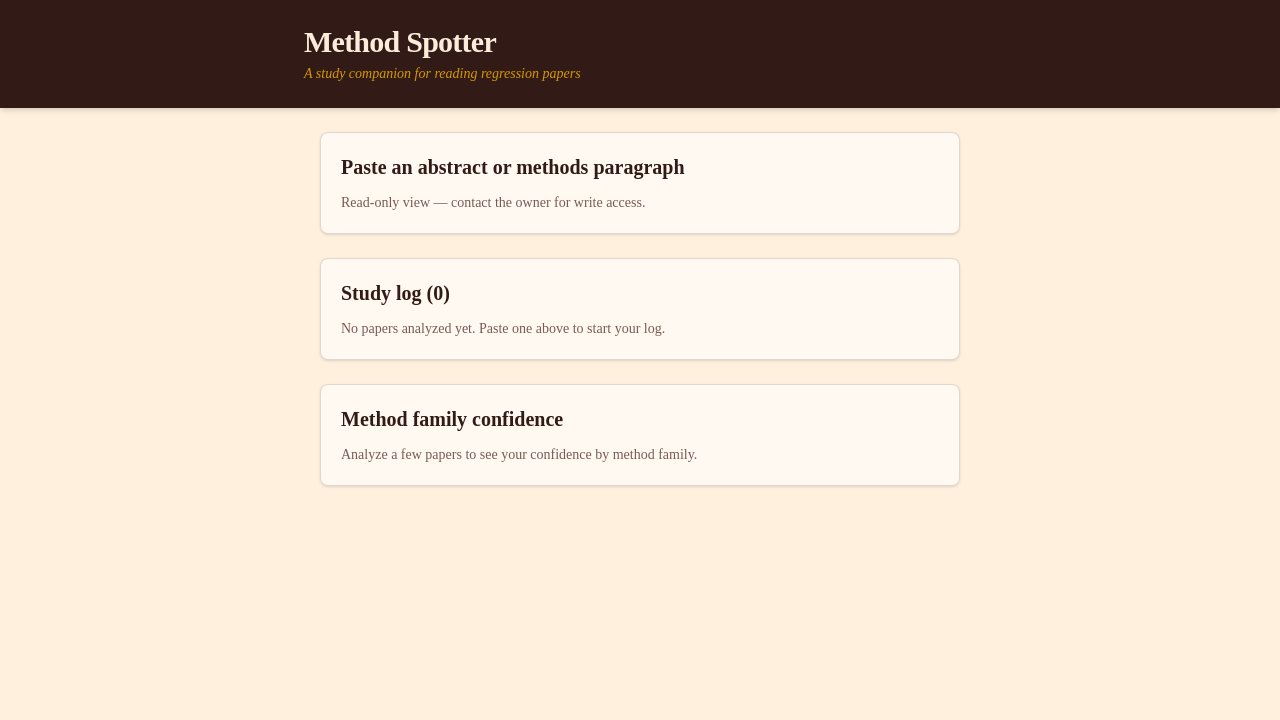
Paste a methods section. Identify the model family. Spot the nesting structure.

Build methodological literacy for reading education research: paste a methods abstract, identify whether the study uses multilevel models, fixed effects, or mixed methods, explain why nested data requires hierarchical linear modeling, and log papers with their method tags for later review.
02
Live

Methods Peer Group

Post a methodological question from your dissertation. Get the group's reasoning.

Coordinate a doctoral methods peer group: post questions about multilevel model specifications, fixed vs. random effects choices, and interaction term decisions; share project descriptions with proposed designs; hold structured work-throughs; and build a reference library of resolved puzzles.

03
Live

Lab Workflow

Research question to analytic plan to manuscript — one workflow for the whole lab.

Manage a research lab's portfolio of analyses on a district data partnership: define research questions, document variable construction, run multilevel model specifications with the lab's standard model diagnostics conventions, and track manuscripts through reviewer response.

04
Live

Study Plan Builder

Nested data. Staggered rollout. Pre-registered before unblinding.

Pre-register a four-year longitudinal study with students nested in classrooms in schools in districts: choose between hierarchical linear modeling and fixed effects, specify interaction terms for heterogeneity analysis, integrate qualitative coding schemes, and produce the complete pre-analysis plan.

05
Live

Evidence Clearinghouse

Design adequacy. Analytic match. Subgroup fishing. Two reviewers. Full audit trail.

Review impact studies for a national education evidence clearinghouse: log design and analytic approach, apply the standardized methodological rubric checking multilevel model specifications and fixed effects justifications, reconcile two independent reviews, and maintain the full evidence database.

Make your own on vibes.diy →